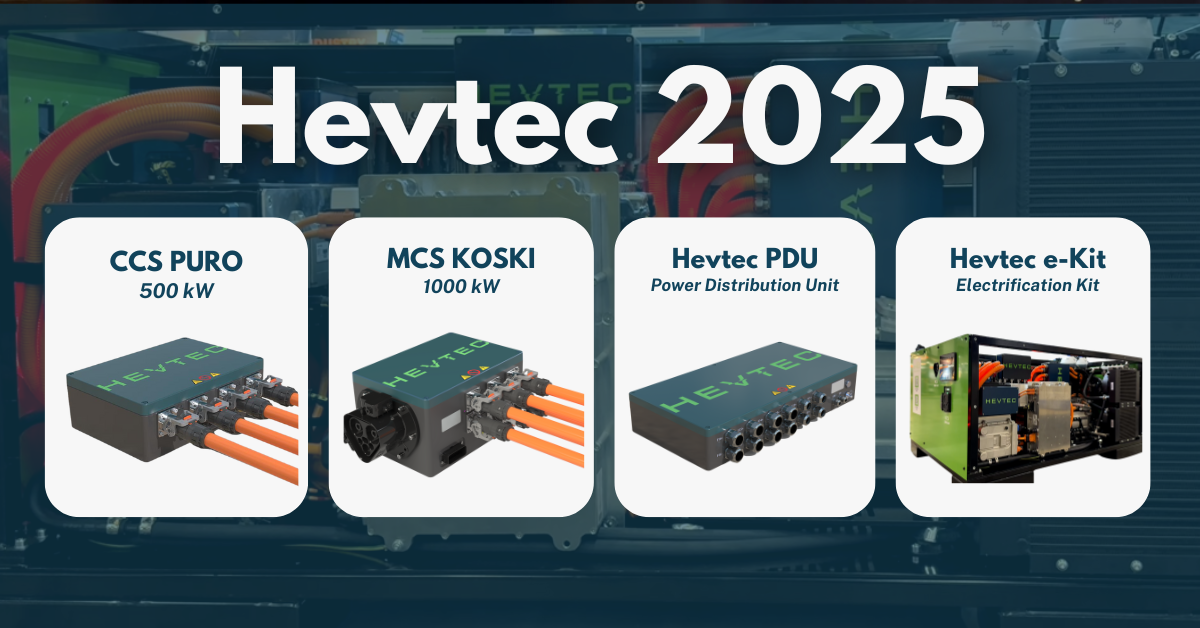
This year wasn’t only about customer deliveries — it was also about turning essential electrification building blocks into concrete products. Alongside numerous customer projects (from solution assessments to design and commissioning of different mobile machines), we pushed several key product milestones forward.
Electrification programs move fastest when early decisions become a coherent, serviceable system — not just a component list. In 2025, we supported OEMs and partners across the full path:
2025 reminded us of something simple: electrification projects rarely fail because one component is missing. They slow down when the system doesn’t come together cleanly — interfaces, high-voltage distribution, protection, service access, software responsibilities and commissioning.
Alongside customer work, we focused on making the building blocks of off-highway / NRMM electrification more repeatable. Here’s what moved forward in 2025 — and why these steps matter in real machines.
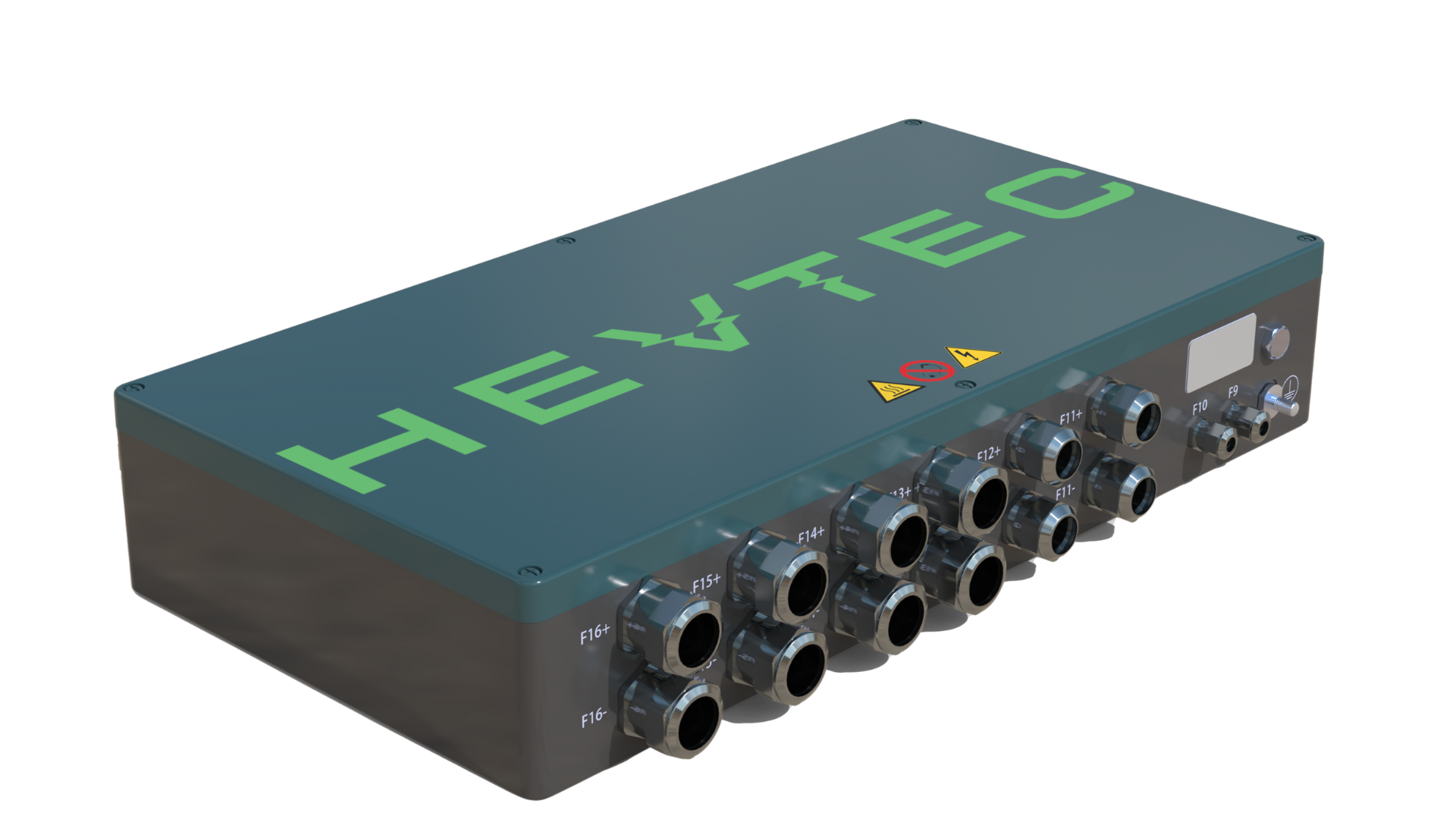
Best for centralized HV distribution and protection in electrified machines.
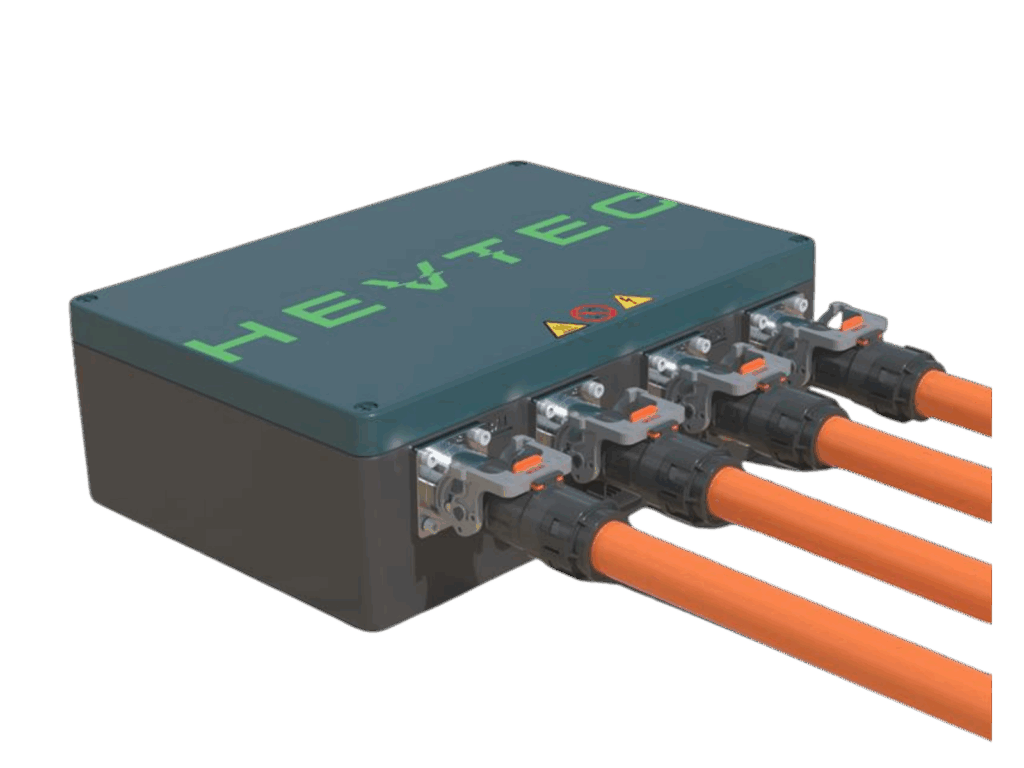
Best for depot and site charging where rugged CCS integration is needed.
Best for: High-utilization heavy-duty use cases where downtime must stay short.
In June, we launched our first serially produced product: the PURO CCS interface, showcased at IVT Expo in Köln. Shortly after, the most meaningful milestone followed: the first deliveries were installed in customer machines.
A serial CCS charging interface isn’t only a product announcement — it’s a step towards repeatable integration. When the interface and installation path are clearer, teams spend less time reinventing details and more time validating the machine. It also supports a smoother commissioning flow, and typically a more serviceable end result in the field.
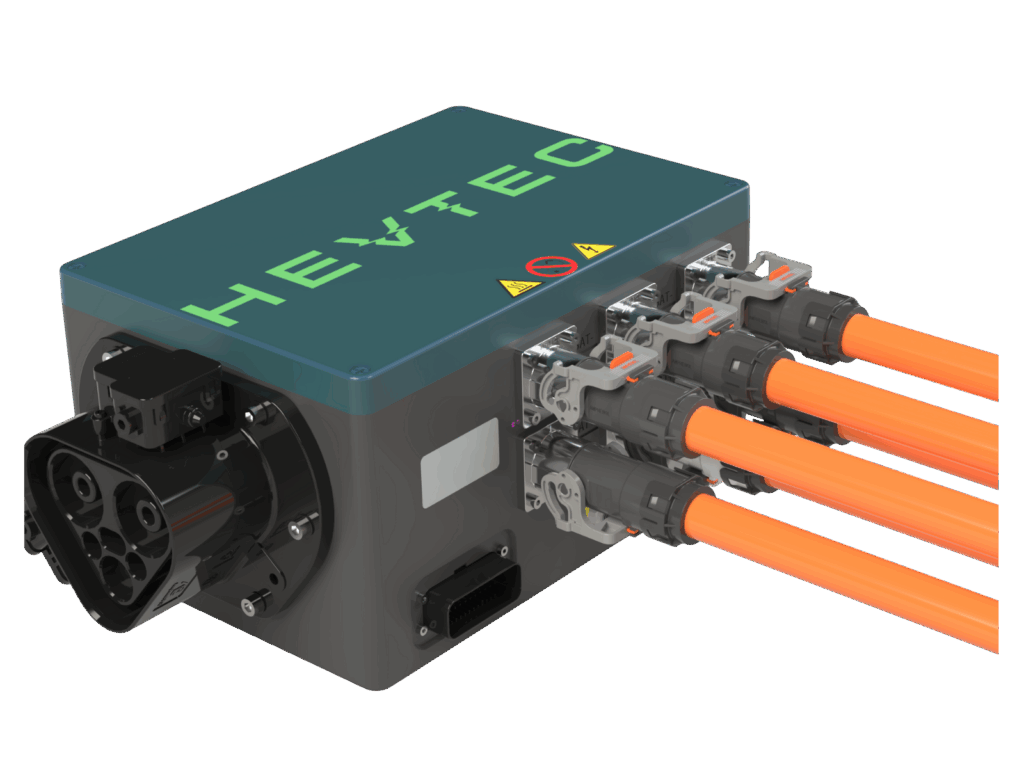
At IVT Expo, we also introduced the KOSKI MCS interface prototype. Piloting will start in early 2026 in a heavy-duty truck in Finland.
High-power readiness starts early: MCS charging affects layout, protection strategy, safety logic, and thermal realities.
Pilots replace assumptions: real duty cycles and environments validate what’s practical (not just what’s possible on paper).
De-risking architecture decisions: clearer path to future high-power charging without overbuilding from day one.
Scalability: early learning supports a more repeatable NRMM electrification roadmap.
MCS charging is not just about higher power. It affects the machine architecture early: physical layout, protection strategy, thermal considerations and safety logic. That’s why pilots matter — they turn assumptions into learning and help define what “high-power readiness” actually means in real duty cycles and real environments.
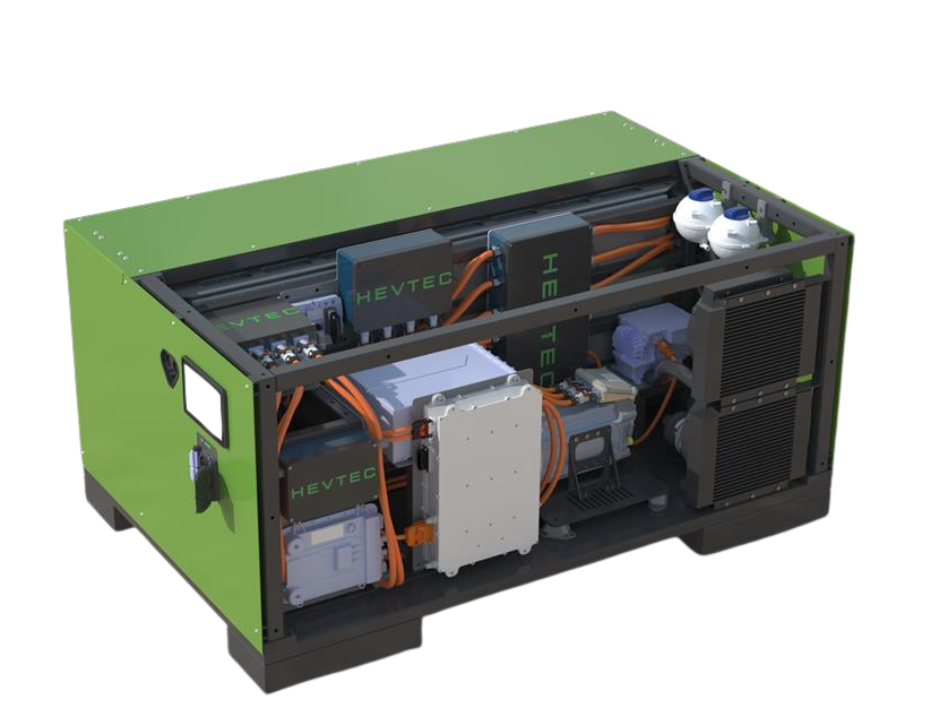
In November, we launched our e-Kit — “the kit that fits” at Teknologia Expo in Helsinki (4–6 Nov 2025). We were genuinely surprised by the response: the e-Kit sparked exceptional interest among visitors.
In many electrification programs, high-voltage distribution becomes the hidden source of complexity: protection and service access scattered around the machine, diagnostics that take too long, and commissioning work that turns into troubleshooting. A productized Power Distribution Unit (PDU) helps make the architecture cleaner and more maintainable — which supports faster fault finding, safer service work and a smoother path from prototype to something repeatable.
Early 2026 will be about pilots — done side by side with customers. Not just proving that “it works once,” but taking systems through commissioning the way they’re actually used: real duty cycles, real operators, real charging windows, real service constraints.
If you’re planning your next steps in NRMM electrification, the highest-leverage work is often simple: make the system plan explicit early — charging interface, HV distribution, protection strategy, serviceability and commissioning path. It saves time later, when schedules are tight.
In other words: early 2026 is about building the operational confidence needed to move from pilot machines to something you can deliver, support, and scale.
Fast Track Services are ideal when you need specialized expertise. If you’re looking for a modular electrification package and a faster route to a repeatable architecture, explore Hevtec e-Kit — the kit that fits.
You are currently viewing a placeholder content from Vimeo. To access the actual content, click the button below. Please note that doing so will share data with third-party providers.
More InformationYou are currently viewing a placeholder content from YouTube. To access the actual content, click the button below. Please note that doing so will share data with third-party providers.
More InformationYou need to load content from reCAPTCHA to submit the form. Please note that doing so will share data with third-party providers.
More Information