
Learn how to choose an electrification kit for heavy machinery. Avoid “one-size-fits-all” pitfalls with practical dos and don’ts for motors, inverters, batteries, and charging.
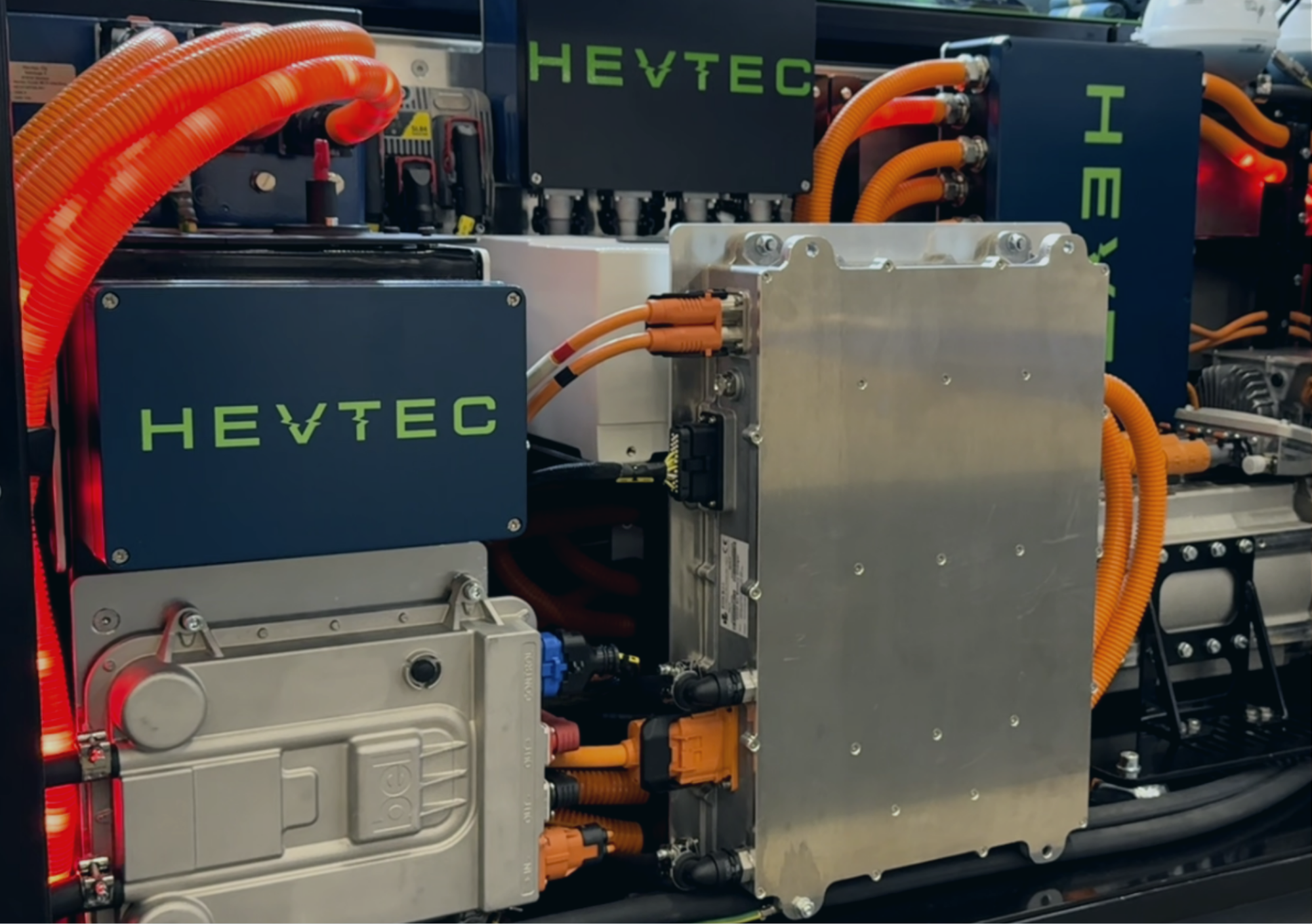
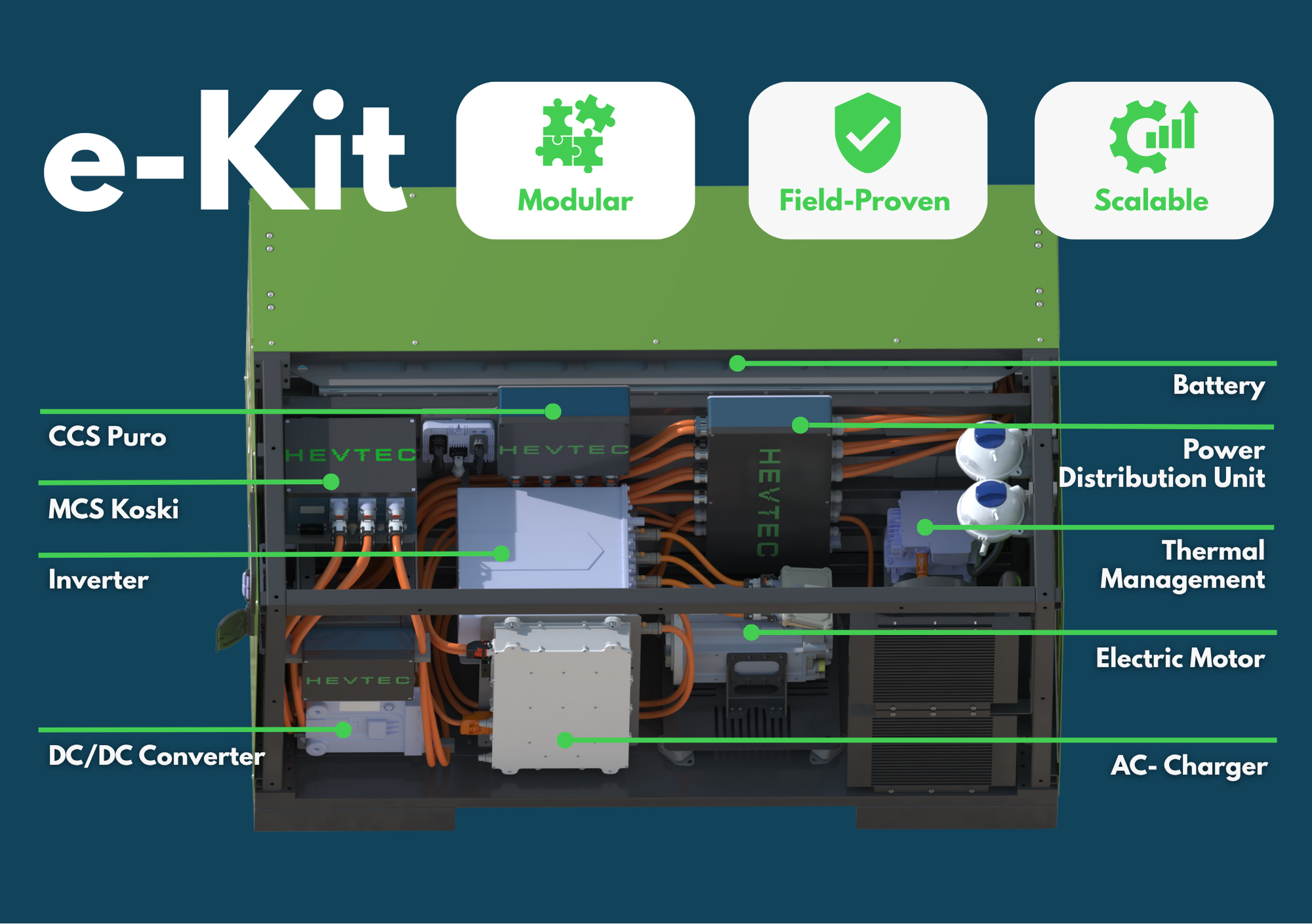
An electrification kit is generally a system made from a list of pre-selected components that cover as wide of an operation area as possible, so that it would fit many different size machines and use-cases. That sounds efficient, but it also means the kit rarely fits any single machine perfectly.
Heavy equipment platforms differ by brand, size, layout, duty cycle, and ambient conditions. So a universal electrification kit almost always forces compromises.
In electric and hybrid powertrains, poor component choices can lead to compromised performance. They can even push the whole system into the wrong operating region.
The electric motors might be similarly over- or undersized, making the powertrain inefficient. For example, matching the electric motor nominal operation point incorrectly could decrease the powertrain efficiency over 10%, while selecting the exactly correct winding for speed and torque leads to efficiencies up to 96%.
It’s imperative to realize that one solution does not fit all when it comes to lithium-ion battery systems. The machine ambience, machine duty cycle and charging strategy should guide the selection. When an electric powertrain kit provider carries only one battery solution and chemistry in their catalogue, the customer is in danger to be forced making a compromise is system specification. In worst case, selecting the wrong battery system and or chemistry will limit the machine operation.
A strong electrification kit approach doesn’t mean reinventing everything each time. It means standardizing smartly while still fitting real machines.
As an example, we have seen kits where the inverter and motor have been selected to handle over 250 kW constant power, but the same setup is also used for machines that require only 80 kW constant power, which compromises the electric powertrain efficiency.
Experience has proven that the quality of battery solutions varies greatly even though on paper the systems would seem nearly identical. In battery electric and hybrid powertrains, the battery system is commonly the most expensive component and selecting the wrong one could prove to be very costly.
Because the drivetrain operates away from its most efficient region, increasing losses and heat, especially in the most common operating range.
Chemistry impacts charge performance, cold/heat behavior, lifetime, safety margins, and packaging needs. Often more than spec sheets suggest.
Are you building your first electric or hybrid prototype, upgrading an existing machine (retrofit), or preparing a design for production? Hevtec supports OEMs and machine builders by turning electrification into a reliable, integration-ready system.
A structured solution assessment will be conducted to ensure the proposed solution meet functional and operational requirements:
You are currently viewing a placeholder content from Vimeo. To access the actual content, click the button below. Please note that doing so will share data with third-party providers.
More InformationYou are currently viewing a placeholder content from YouTube. To access the actual content, click the button below. Please note that doing so will share data with third-party providers.
More InformationYou need to load content from reCAPTCHA to submit the form. Please note that doing so will share data with third-party providers.
More Information