KOSKI MCS Megawatt Charging Interface for Mobile Work Machines
/ˈkos.ki/, KOSS-kee
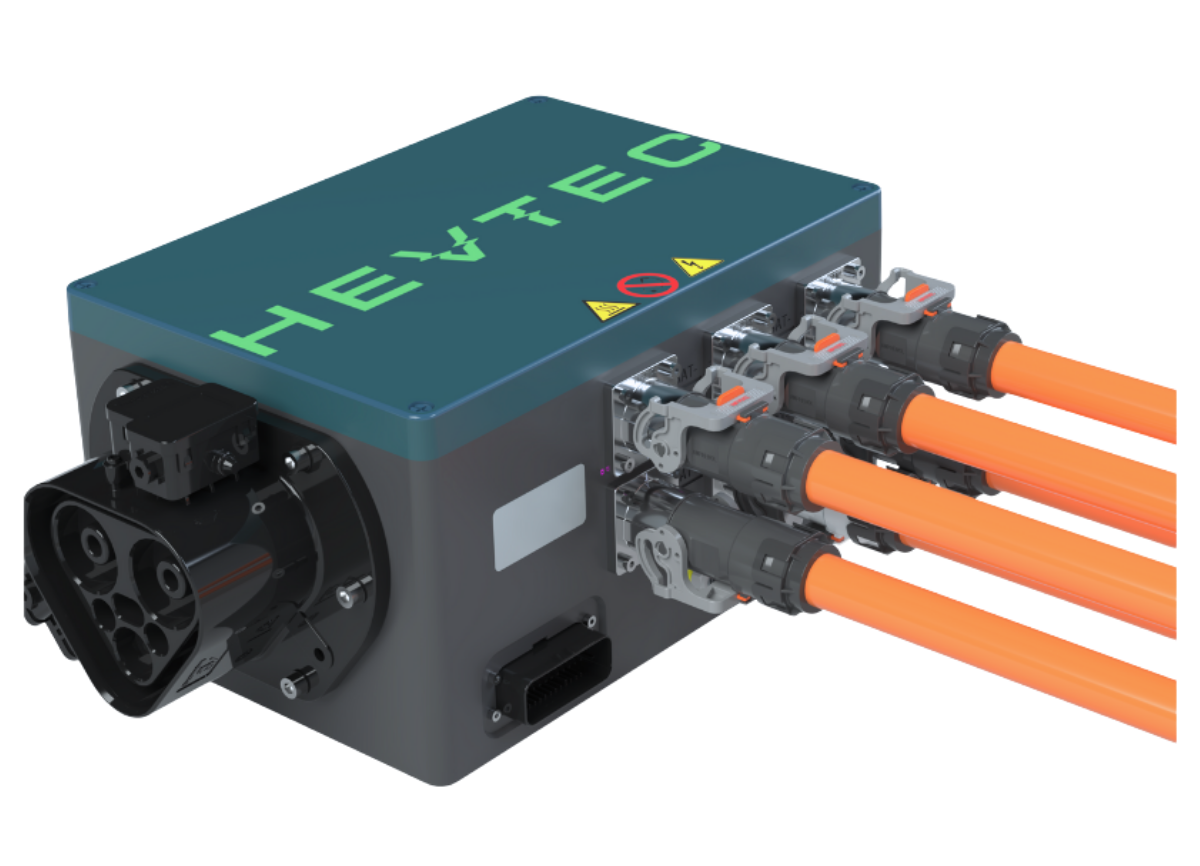
Megawatt charging is coming, but integrating MCS (Megawatt Charging System) into a real machine is still a challenge. KOSKI solves this by providing an integration ready MCS interface designed for heavy duty environments and practical machine architecture.
Koski MCS Specifications
Connection type
Amphenol PowerLok
System voltage
1000 Vdc
Current (60 min / 30 min)
1250 / 1500 A
Supply voltage
12 V or 24 V
Ambient temperature
-40 – 65 °C
Protection class
IP67
Dimensions (L x W x H)
430 x 230 x 180 mm
Weight
13 kg
Heavy-Duty MCS Interface Status & Readiness
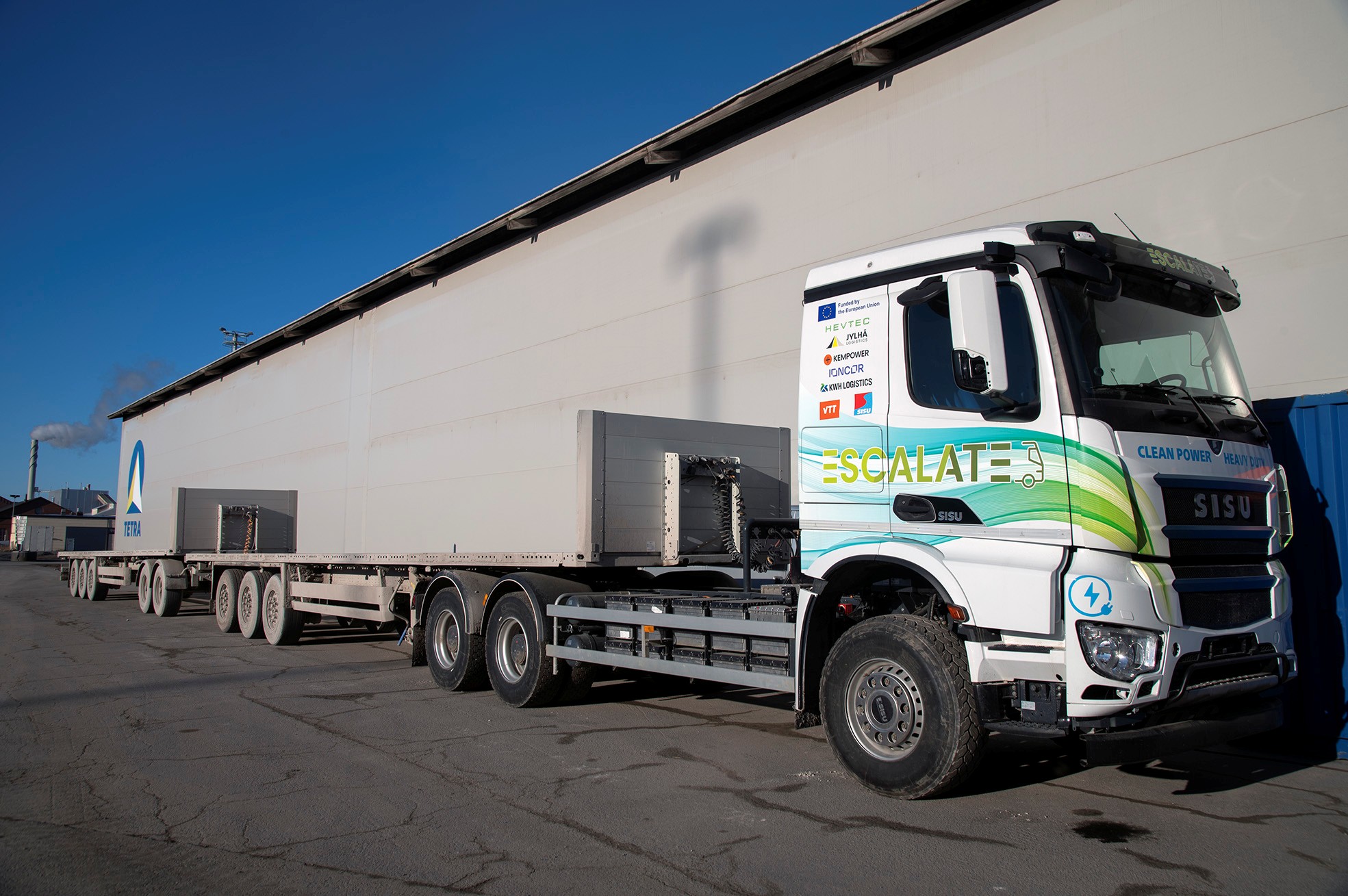
A fully electric Sisu truck is being tested in real operations in Finland as part of the EU-funded ESCALATE project. It completed its first test stage in the Port of Kokkola running on battery power, with our PURO CCS charging interface on board.
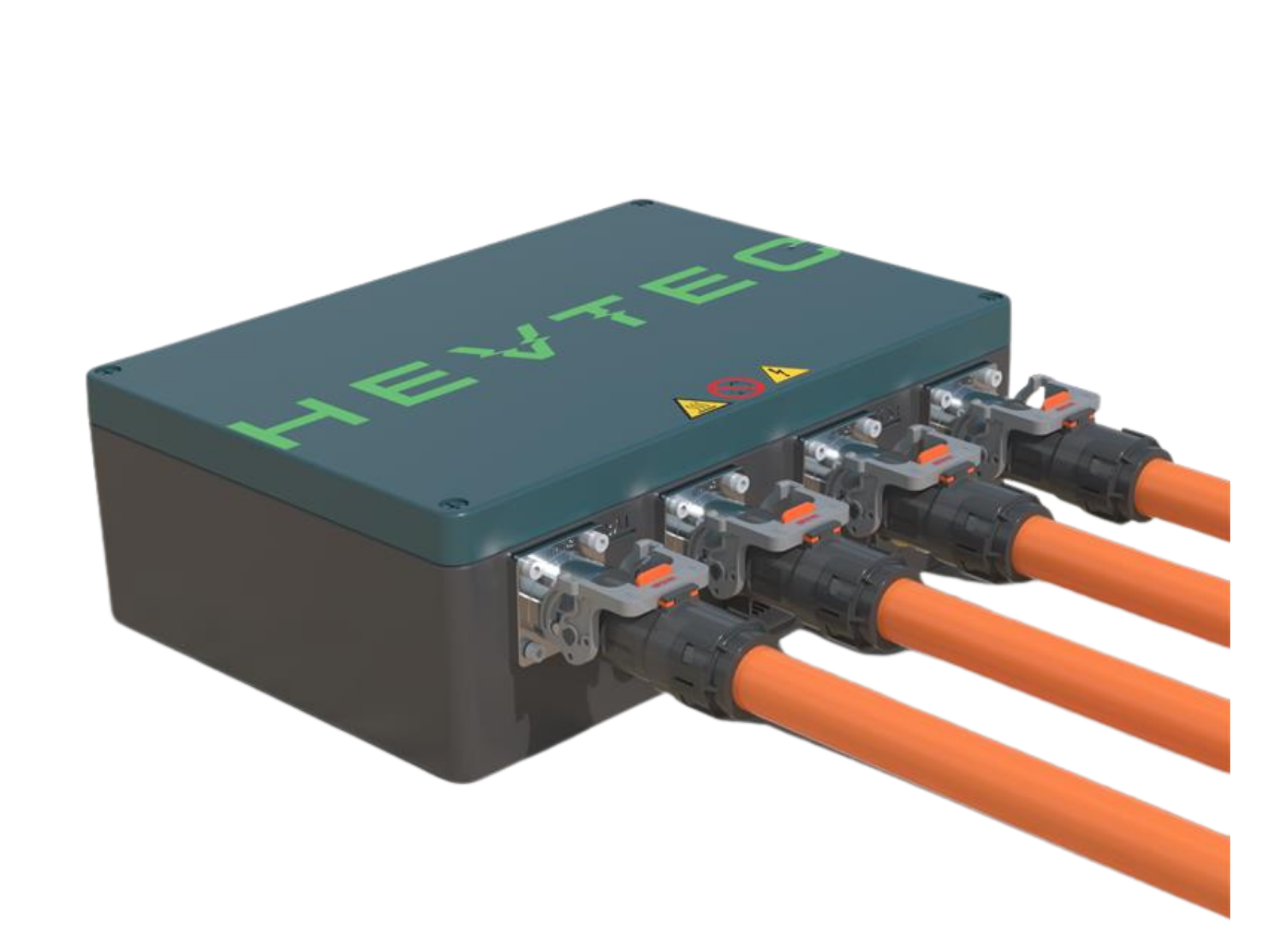
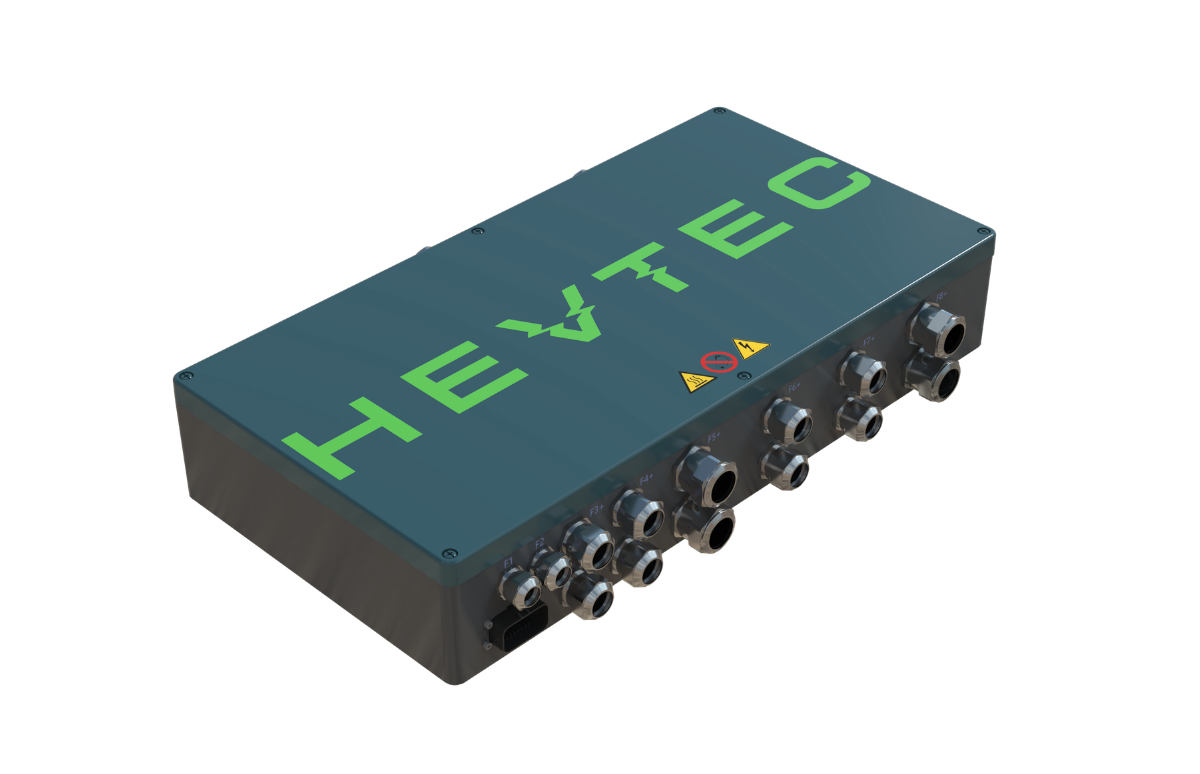
The next stage adds MCS megawatt charging through KOSKI, paired with RUNKO power distribution unit sized for that power, plus a hydrogen fuel cell range extender.
Why KOSKI for Heavy-Duty MCS Charging
Designed for interoperability KOSKI follows the direction of global MCS standardization for heavy-duty charging.
Rugged by design IP67 and wide operating temperature range for harsh environments.
Integration-ready Straightforward installation with Amphenol PowerLok connection.
Clear ratings, no guessing 1000 Vdc system voltage and high current capability defined up front.
MCS Charging FAQ
What is MCS and why does it matter?
MCS (Megawatt Charging System) is an emerging megawatt-class DC charging system for heavy-duty applications, designed for interoperability with modern communication and safety requirements.
Why talk about MCS now, isn’t it still emerging?
Yes. Even major suppliers state that MCS vehicle charging inlets are still being developed, so starting system-level integration work early reduces program risk and shortens time-to-field.
When is MCS an especially strong solution?
-
You need very fast DC charging because energy demand is high.
-
Downtime must stay short, so utilization stays high.
-
Charging happens at a few realistic hubs, improving TCO and reducing risk.
Typical applications: long-haul and regional heavy-duty trucks, ports and terminal logistics, mining and quarry operations, high-utilization construction fleets, and industrial sites with centralized charging hubs.
Hevtec designs charging as part of the complete powertrain, hybrid or fully electric, so the interface fits the machine from the start. Talk to an engineer.